 Skip-the-line available
 Best Time to Visit Conímbriga
When the mosaic house is quiet, the ruins catch the best light, and the midday coaches and summer heat arrive.
Conímbriga, one of the largest excavated Roman towns in Portugal, sits on an exposed plateau 16 km from Coimbra. It's rarely crowded — it's inland and off the main tourist routes — but the star attraction, the roofed Casa dos Repuxos with its mosaics, is small and fills when groups arrive, and the open ruins are hot and unshaded at midday in summer. This guide is how to time your visit for the best balance of quiet, light and comfort.
By hour: the daily rhythm
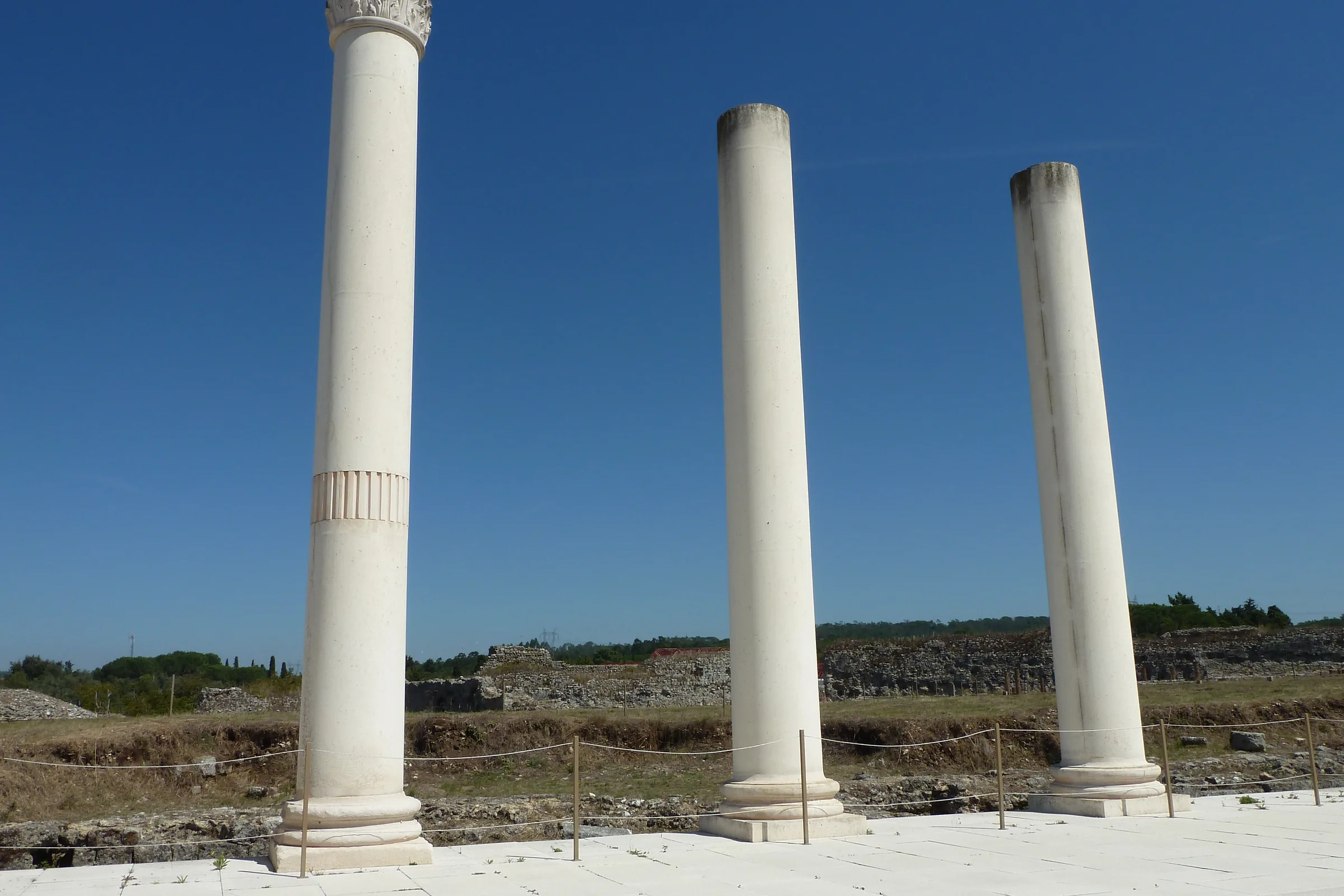
Conímbriga opens at 10:00 and the ticket office closes at 17:15 (site closes 18:00). The first hour after opening is the best of the day: the Casa dos Repuxos — the mosaic fountain house — is quiet before school groups and coach tours arrive, and the low morning light rakes across the ruins. Head straight to the mosaic house first, then work outward through the forum, baths and streets.
Coach tours and school groups tend to concentrate between roughly 11:30 and 14:30, and they bunch up inside the small, roofed Casa dos Repuxos. The last two hours before the ticket office closes at 17:15 are the second-quiet window, and the late-afternoon light on the open ruins and the late-Roman wall is superb for photographs. Midday is both the busiest and, in summer, the hottest — a good time for the shaded Monographic Museum and the café.
By season
Best months are April to June and September to October: mild central-Portugal weather of roughly 15–26 °C, comfortable for an open-air site with little shade. Spring brings green surrounds; autumn brings soft light and thinner crowds after the summer peak.
July and August are hot — afternoons regularly reach the mid-30s °C on the unshaded plateau — so visit early or late and carry water, a hat and sunscreen. November to March is cooler and wetter (roughly 5–15 °C), the paving can be slippery after rain, and daylight is shorter, but crowds are minimal and the site is atmospheric under a low winter sun. Conímbriga is open year-round except 1 January, Easter Sunday, 1 May, 24 July and 24–25 December.
How long to spend
Most visitors spend two to three hours. Budget 90 minutes to two hours for the excavated city — the forum, baths, streets, the Casa dos Repuxos and the Casa de Cantaber, and the late-Roman wall — and another 30–45 minutes for the Monographic Museum at the entrance.
Visitors with a strong interest in Roman archaeology, or photographers waiting for the best light on the mosaics, can happily spend half a day. A focused visit of about 90 minutes works if you prioritise the mosaic house, the forum and the wall, and give the museum a quicker pass.
Frequently asked
When is Conímbriga least crowded?
In the first hour after the 10:00 opening and in the last two hours before the ticket office closes at 17:15. The midday window (about 11:30–14:30) is when coach tours and school groups arrive and bunch up in the small mosaic house. Weekdays are generally quieter than weekends.
What is the best month to visit Conímbriga?
April–June and September–October, for mild weather on an open-air site with little shade and thinner crowds than the summer peak. Avoid the hottest midday hours in July–August, and expect slippery paving and shorter days November–March.
How long does a visit take?
Two to three hours for most visitors: 90 minutes to two hours for the ruins and 30–45 minutes for the Monographic Museum. Archaeology enthusiasts and photographers often spend half a day.
Should I see the mosaics or the museum first?
See the mosaics of the Casa dos Repuxos first, ideally right at opening, before groups arrive — it's the one roofed, enclosed space that gets crowded. Save the museum for later; being indoors and shaded, it's a good midday stop.
Is Conímbriga open on Mondays?
Yes — it's open daily 10:00–18:00 (ticket office to 17:15), closing only on 1 January, Easter Sunday, 1 May, 24 July and 24–25 December. That makes it a useful option on a Monday, when some Portuguese museums close.